Retention beats hype
Wellness studios depend on recurring visits, instructor trust and a calendar that turns first-timers into habits.
Source: Yoga Alliance
Business guides
A yoga studio sells more than classes; it sells belonging, routine and trust. The numbers work only when mats are filled consistently enough to pay instructors, rent and the slow work of community building.
Localise this guide
Overview
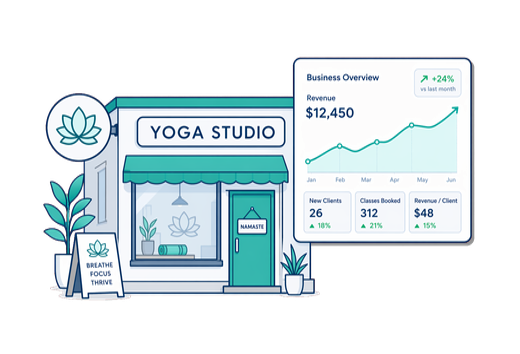
The best studio is not the one with the prettiest room; it is the one that turns first visits into weekly habits. In practical terms, this is the yoga studio investment story about waitlisted classes nearby, active local wellness communities, intro-pass conversion and realistic class occupancy by time slot, membership retention, teacher cost per class, private sessions, workshops and utilisation of off-peak hours, and the discipline to avoid building a beautiful sanctuary before proving recurring membership demand.
Key stats
Retention beats hype
Wellness studios depend on recurring visits, instructor trust and a calendar that turns first-timers into habits.
Source: Yoga Alliance
Credentials matter
Massage and movement businesses should treat training, scope of practice and insurance as commercial trust signals as well as compliance checks.
Source: AMTA
Wages move break-even
Award rates, contractor settings and penalty rates can materially change the class or appointment volume needed to break even.
Source: Fair Work Ombudsman
Key concepts
Track intro offer conversion, attendance frequency and cancellations before celebrating sign-ups.
A packed launch month can hide weak retention if members do not find a class time, teacher and community they trust.
Model conservative occupancy for early mornings, evenings and weekends separately.
Each class has a teacher cost, room capacity and likely attendance pattern.
Off-peak classes can build community, but they still need a strategic reason to exist.
Workshops, private sessions and retail should support the core habit, not distract from it.
Audience and industry
This guide is for founders, buyers and side-hustle operators asking whether the yoga studio deserves more time, money and professional due diligence.
Wellness demand is broad, but members have many substitutes: gyms, apps, Pilates, outdoor training and boutique studios.
Map gyms, Pilates, meditation apps, physiotherapy-adjacent movement and community centres. Your competitor is any place that earns the customer’s weekly self-care hour.
Key factors
waitlisted classes nearby, active local wellness communities, intro-pass conversion and realistic class occupancy by time slot
membership retention, teacher cost per class, private sessions, workshops and utilisation of off-peak hours
mat capacity, instructor availability, timetable design and the emotional quality of the member experience
building a beautiful sanctuary before proving recurring membership demand
a clear lane such as beginner-friendly yoga, reformer-adjacent mobility, prenatal, recovery, hot yoga or community-led practice
Finance model
Business Model Canvas
wellness-minded locals, beginners seeking confidence, experienced practitioners and members looking for routine
a clear lane such as beginner-friendly yoga, reformer-adjacent mobility, prenatal, recovery, hot yoga or community-led practice
Volume multiplied by realised price, with add-ons and repeat frequency tested separately.
Direct costs first, then rent, wages, utilities, software, maintenance, marketing and startup capital.
Conservative assumptions, staged spending, local quotes and clear break-even checks before commitment.
Common mistakes
Mistaking opening-week attention for repeat demand.
Separate curiosity traffic from customers who return at sustainable prices.
Letting the lease decide the business model.
Model rent and fixed costs against a conservative demand case before signing.
Ignoring the operating bottleneck.
Check mat capacity, instructor availability, timetable design and the emotional quality of the member experience before assuming more sales are physically possible.
Underfunding the ramp-up period.
Keep working capital for delays, training, mistakes, repairs and slower-than-planned demand.
Case studies
A compact scenario showing how one assumption can change the result.
A compact scenario showing how one assumption can change the result.
Decision tree
Move to quote-based costing and capacity stress tests.
Pause spending and collect better local evidence first.
Test whether the upside case is operationally deliverable.
Reduce fixed costs, narrow the offer or find a different site.
Turn that promise into menu, pricing, staffing and marketing decisions.
Sharpen the concept before committing capital.
Self-evaluation
Early stage: tighten the assumptions before treating this as feasible.
Decision point
Use the simulator as a structured sanity check. It should support adviser conversations, not replace them.
Test your idea
Where you trade
The guide above works as a general planning framework. Pick your country for rules, taxes and local context.

Checklist
FAQ
Test class capacity, fill rate, pricing, memberships, private sessions, teacher pay, rent and fixed overheads.
Yes. Owner-taught classes can reduce paid teacher costs, but making that visible helps you see what happens as you hire more help.
Yes. The same approach works for many class-based wellness studios. Adjust class size, pricing and equipment costs to match your idea.
You can change the assumptions and generate a free preview for your studio concept.
Sources
Disclaimer: smallbizsim.com provides indicative planning estimates only. It is not financial, legal, tax or investment advice. Verify assumptions with qualified advisers before making decisions.