Inventory is cash on shelves
Retail feasibility is shaped by stock turn, shrinkage, markdowns and the money tied up before items sell.
Source: ATO
Business guides
A cosmetic shop sells colour, confidence and advice — but the spreadsheet is driven by stock turn, product claims, sampling costs and whether customers trust the curation.
Localise this guide
Overview
Beauty retail works when curation and advice create enough trust to overcome online price comparison. In practical terms, this is the cosmetic shop investment story about category gaps nearby, social proof, repeat replenishment items and customers willing to ask for advice in-store, stock turn, gross margin by brand, sampling conversion, bundles, repeat replenishment and markdown control, and the discipline to avoid buying too many trendy SKUs before knowing what local customers replenish.
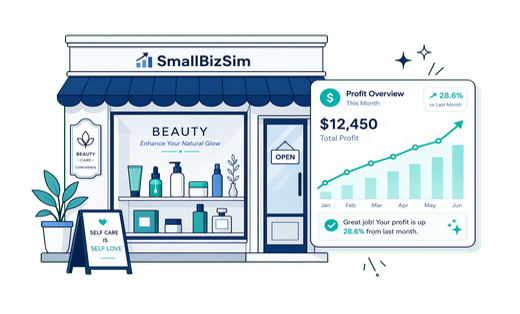
Key stats
Inventory is cash on shelves
Retail feasibility is shaped by stock turn, shrinkage, markdowns and the money tied up before items sell.
Source: ATO
Consumer law follows the sale
Returns, guarantees, product claims and pricing practices need to be built into store operations from day one.
Source: ACCC
Foot traffic is not demand
Retail guides and landlords talk about exposure, but feasibility depends on the share of passers-by who stop, buy and return.
Source: business.gov.au
Key concepts
Balance discovery items with replenishment items that bring customers back.
Track tester cost, expiry, shrinkage and returns as part of margin.
Product claims must be careful; trust is expensive to rebuild.
A small store can beat online retail when staff help customers choose correctly.
Events, shade matching and routines can lift basket size if they are operationally simple.
Avoid chasing every viral product unless supplier terms and stock turn make sense.
Audience and industry
This guide is for founders, buyers and side-hustle operators asking whether the cosmetic shop deserves more time, money and professional due diligence.
Beauty demand is resilient, but customers compare claims, ingredients, influencers and prices instantly.
Compare pharmacies, department stores, online marketplaces, salons, social commerce and brand-owned websites.
Key factors
category gaps nearby, social proof, repeat replenishment items and customers willing to ask for advice in-store
stock turn, gross margin by brand, sampling conversion, bundles, repeat replenishment and markdown control
shelf space, staff product knowledge, testers, supplier terms and inventory freshness
buying too many trendy SKUs before knowing what local customers replenish
a trusted edit: sensitive skin, K-beauty, clean beauty, pro makeup, gifting or inclusive shade matching
Finance model
Business Model Canvas
shoppers seeking skincare, makeup, gifts, specialist brands, shade matching or advice they cannot get from a generic shelf
a trusted edit: sensitive skin, K-beauty, clean beauty, pro makeup, gifting or inclusive shade matching
Volume multiplied by realised price, with add-ons and repeat frequency tested separately.
Direct costs first, then rent, wages, utilities, software, maintenance, marketing and startup capital.
Conservative assumptions, staged spending, local quotes and clear break-even checks before commitment.
Common mistakes
Mistaking opening-week attention for repeat demand.
Separate curiosity traffic from customers who return at sustainable prices.
Letting the lease decide the business model.
Model rent and fixed costs against a conservative demand case before signing.
Ignoring the operating bottleneck.
Check shelf space, staff product knowledge, testers, supplier terms and inventory freshness before assuming more sales are physically possible.
Underfunding the ramp-up period.
Keep working capital for delays, training, mistakes, repairs and slower-than-planned demand.
Case studies
A compact scenario showing how one assumption can change the result.
A compact scenario showing how one assumption can change the result.
Decision tree
Move to quote-based costing and capacity stress tests.
Pause spending and collect better local evidence first.
Test whether the upside case is operationally deliverable.
Reduce fixed costs, narrow the offer or find a different site.
Turn that promise into menu, pricing, staffing and marketing decisions.
Sharpen the concept before committing capital.
Self-evaluation
Early stage: tighten the assumptions before treating this as feasible.
Decision point
Use the simulator as a structured sanity check. It should support adviser conversations, not replace them.
Test your idea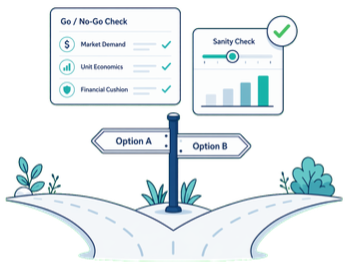
Where you trade
The guide above works as a general planning framework. Pick your country for rules, taxes and local context.

Checklist
FAQ
Start with likely customer visits, average basket value, product margins, rent, wages, opening stock, testers, samples and marketing. The free simulation turns those guesses into revenue, costs, profit, break-even and payback.
Include rent, wages, stock, testers, samples, shelving, lighting, mirrors, POS, payment fees, insurance, launch marketing, returns and the cash needed to reorder popular lines.
No. It is an early planning tool to help you ask better questions before speaking with an accountant, broker or qualified adviser.
Yes. Try the free simulation, adjust the inputs and create a shareable preview with assumptions, numbers and risks.
Sources
Disclaimer: smallbizsim.com provides indicative planning estimates only. It is not financial, legal, tax or investment advice. Verify assumptions with qualified advisers before making decisions.