Value pressure
Restaurant research keeps pointing to price sensitivity, convenience and memorable experience as the themes operators must design around.
Source: McKinsey
Business guides
A Hobart pizza shop works when dinner density, delivery economics and a clear style lane line up strongly enough to survive quieter weeknights and wage pressure.
Overview
Pizza is familiar and frequent, but Hobart still asks founders to choose a clear lane: artisan dine-in, takeaway-led family dinner, value bundles or late-night convenience. The city is opinionated enough that bland middle-ground concepts struggle, and the smaller population means delivery radius and suburb fit matter quickly. North Hobart can support food credibility, while other areas may work better for takeaway convenience or family repeat orders. Build the plan around throughput, channel mix and real dinner behaviour rather than assuming pizza demand is automatic.
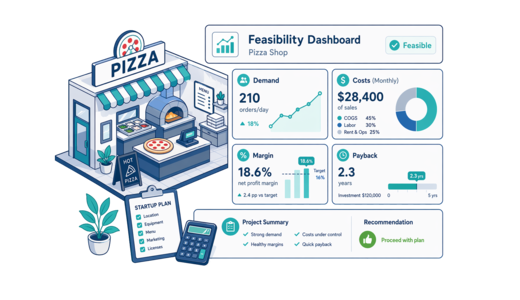
Key stats
Value pressure
Restaurant research keeps pointing to price sensitivity, convenience and memorable experience as the themes operators must design around.
Source: McKinsey
Food safety is not optional
Food businesses need documented food handling, allergen and hygiene processes before launch, not after the first complaint.
Benchmark the margins
Tax-office small-business benchmarks are useful sense checks for food cost, labour and rent assumptions, even though your site still needs its own model.
Source: ATO
Key concepts
A Hobart pizza shop near a dining strip may lean on artisan positioning and local food credibility, while a suburban site may win on reliable family dinner bundles and easy pickup. Those are different businesses and should not share one sales story.
Visitor movement can help in some precincts, but most pizza demand is repeat local behaviour: weeknight convenience, group sharing and delivery habits.
Pizza appears simple until prep, dough management, toppings, packaging and delivery commissions start overlapping. A tight menu and smooth kitchen line often matter more than endless topping choice.
If delivery apps are part of the plan, make them explicit. They can add reach, but they also reshape margin and production pressure quickly.
Audience and industry
Customers for a pizza shop in Hobart should be described by routine, not by broad demographics. Identify who buys, when they buy, how often they return, what alternatives they compare, and how far they will travel. For this business, the first demand hypothesis to prove is repeat local demand, visible catchment fit and sustainable booking or transaction volume.
Hobart gives pizza operators room to win through clarity and consistency, but not through confusion. Cold-weather nights can help delivery and comfort-food demand, yet they do not rescue weak operations or poor site choice.
Competition in Hobart is not just the nearest similar operator. Include substitutes, online options, supermarkets, gyms, marketplaces, delivery platforms, shopping centres, petrol sites, home alternatives and any business that solves the same customer problem. Visit competitors at the same times you expect to trade.
Key factors
Proof of repeat local demand, visible catchment fit and sustainable booking or transaction volume in the exact Hobart catchment.
Rent, outgoings, lease obligations and fit-out spend compared with conservative sales.
capacity utilisation, staffing coverage, customer experience, stock or equipment control and repeat sales routines
contribution margin after direct costs, labour pressure and occupancy cost
Enough cash to survive delays, learning, seasonality and slower repeat-customer growth.
Finance model
Business Model Canvas
Specific Hobart customers with repeat need for repeat local demand, visible catchment fit and sustainable booking or transaction volume.
A pizza shop offer that is easier, faster, more trusted or more local than the alternatives.
Street visibility, local search, referrals, social proof, partnerships, delivery or marketplace channels as appropriate.
Sales driven by repeat local demand, visible catchment fit and sustainable booking or transaction volume; test price, volume and repeat rate separately.
rent, wages, supplies, product cost, utilities, insurance and payment fees; split fixed costs, variable costs and launch costs.
capacity utilisation, staffing coverage, customer experience, stock or equipment control and repeat sales routines
A suitable site or channel, trained people, reliable suppliers, systems, permits and enough runway.
Landlord, suppliers, advisers, local marketers, delivery or fulfilment providers, and maintenance support.
Evidence-based assumptions, staged spending, conservative break-even checks and clear exit conditions.
Common mistakes
Assuming pizza demand makes the concept easy
Validate the exact dinner occasion, local density and channel economics for the chosen suburb.
Trying to serve every pizza style at once
Pick one primary market position and let the menu reinforce it clearly.
Treating delivery as free extra demand
Model commission, packaging and production pressure separately before leaning on it.
Case studies
A compact scenario showing how one assumption can change the result.
A compact scenario showing how one assumption can change the result.
Decision tree
Move to rent, capacity and margin stress tests.
Keep researching, pre-selling or testing with a smaller commitment.
Review startup risk, funding and compliance with advisers.
Renegotiate rent, reduce scope, change location or pause.
Prepare a launch plan with measured weekly review points.
Fix capacity, staffing, supplier or process constraints before spending more.
Self-evaluation
Early stage: tighten the assumptions before treating this as feasible.
Decision point
Use the simulator as a structured sanity check. It should support adviser conversations, not replace them.
Test your idea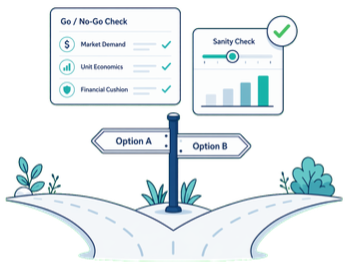
Where you trade
The guide above works as a planning framework. Confirm the rules, taxes and local context below before you commit.

Checklist
FAQ
Usually one with a clear lane, such as artisan neighbourhood pizza, takeaway-led family dinners or convenience-focused delivery. Clarity matters more than being everything to everyone.
Treat them as a separate channel with their own costs and operational pressure. They can help reach, but they should not hide weak walk-in or pickup demand.
It can support comfort-food demand, especially for delivery, but the shop still needs strong local dinner behaviour and efficient operations.
No. It is early planning support to help you structure assumptions before seeking qualified advice on finance, tax, lease, employment and compliance matters.
Sources
Disclaimer: smallbizsim.com provides indicative planning estimates only. It is not financial, legal, tax or investment advice. Verify assumptions with qualified advisers before making decisions.